

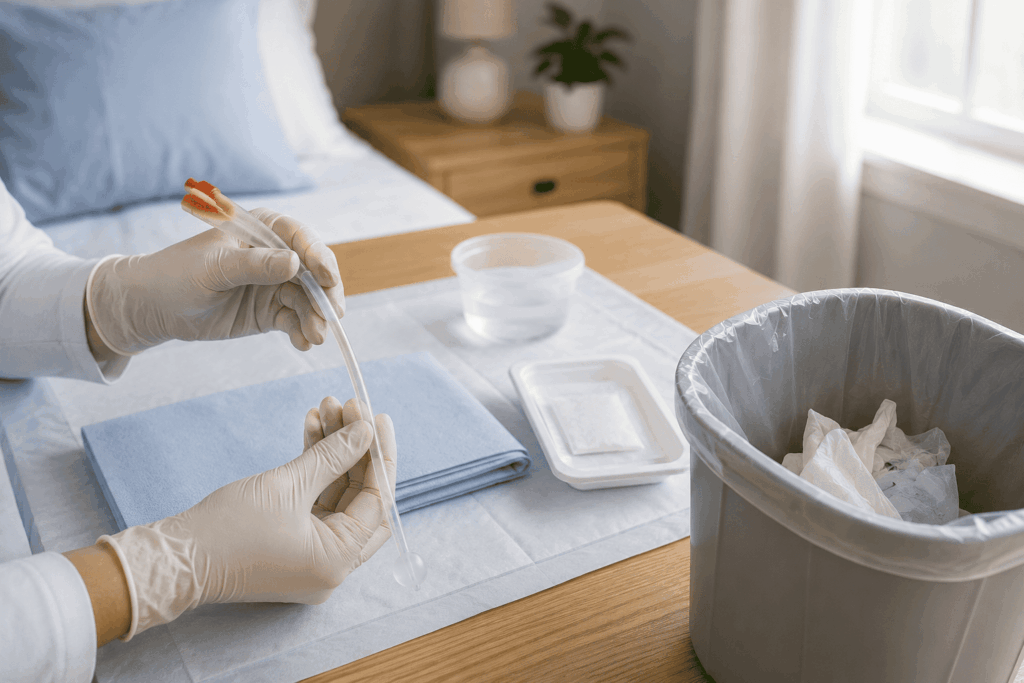
What Actually Matters When Handling a Urethral Catheter at Home
Handling a catheter is not complicated.
But it is sensitive.
Small mistakes lead to discomfort, infection, or repeat procedures. And most of those mistakes come from rushing or assuming the basics don’t matter.
If you’re using a disposable urethral catheter in India, especially in a home care setup, discipline matters more than experience.
Step 1: Set Up Like a Professional Would
Before anything touches the patient, the environment matters.
Wash your hands properly. Not a quick rinse. Full clean.
Lay out everything you need:
- Sterile catheter
- Gloves
- Lubricant if required
- Collection container
Avoid interruptions. Once you begin, you don’t want to step away and come back.
Carers often skip this mindset. But this one step prevents most problems before they even begin.
Step 2: Insertion Needs Patience, Not Force
This is where things go wrong if you rush.
A good catheter, especially from a trusted red rubber urethral catheter supplier, is designed to make insertion smoother.
Features like:
- Rounded atraumatic tip
- Smooth surface
- Flexible red rubber material
All of that reduces resistance.
But technique still matters.
Move slowly. Never push against resistance. If something feels off, stop.
Force causes injury. And once that happens, recovery becomes harder than the procedure itself.
Step 3: Hygiene Is Not Optional
This is where most carers get casual.
Don’t.
Infections don’t come from big mistakes. They come from small lapses.
Follow a simple rule:
Anything that touches the catheter must be clean or sterile.
That includes:
- Hands
- Gloves
- Surrounding skin
- Surfaces
If you’re using a disposable urethral catheter in India, it’s designed for single use to reduce contamination risk. Reusing it breaks that safety layer completely.
Step 4: Know When to Remove and Replace
These catheters are not built for long-term reuse.
They are made for short-term drainage or intermittent catheterisation.
Once used, they should not be stored for later.
Removal should be gentle and controlled. No sudden pulling.
After removal, check for:
- Discomfort
- Unusual resistance
- Any visible issue
If anything seems off, don’t ignore it.
Step 5: Disposal Is Part of the Process
This part gets overlooked too often.
Used catheters are medical waste.
Wrap them properly. Use a sealed bag. Dispose of them according to local medical waste guidelines.
Do not leave them exposed. Do not mix with regular household waste casually.
Safe disposal protects not just the patient, but everyone around.
Why Product Quality Still Matters
Even a perfect technique can’t fix a poor-quality product.
That’s why sourcing matters.
A reliable red rubber urethral catheter supplier focuses on:
- Medical-grade latex
- Smooth, irritation-free surface
- Properly finished eye and tip
- Sterile individual packaging
Omex Medical Technology builds around these basics.
No shortcuts. No compromise on material quality.
Because in urology care, even a slight defect can create unnecessary complications.
What Caregivers Should Keep in Mind Going Forward
This is not about memorising steps.
It’s about building a habit.
- Clean setup
- Gentle handling
- Strict hygiene
- Single-use discipline
If you follow these consistently, catheter care becomes predictable, safe, and manageable.
If you ignore them, problems don’t show immediately. But they do show up.
Take a moment. Check how you’re currently doing it.
And if needed, upgrade both your process and your product to a trusted disposable urethral catheter India option that actually supports safe care.
