

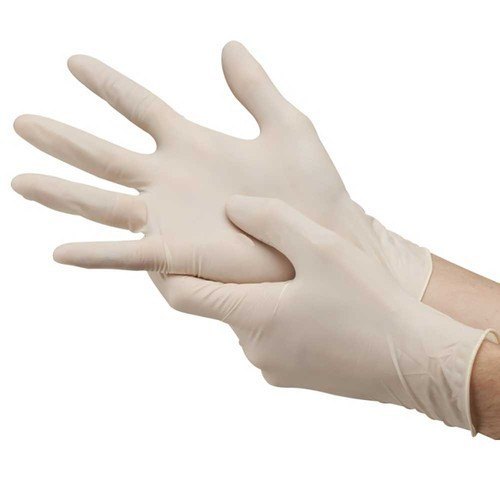
Behind the Scenes: Quality Control Challenges in Medical Glove Manufacturing and How ISO Standards Prevent Common Defects
Defective medical gloves put lives at risk. A hand gloves manufacturer that produces gloves with pinholes, tears, or weak barrier protection creates direct infection hazards during surgeries and examinations. We have experienced the impact of manufacturing inconsistencies on hospitals and clinics at Omex Medical Technology. We have been present in business since 1994 with our plant located in Vijapur, Gujarat and we realize that there is a tremendous burden on the manufacturers to produce perfect products.
Robust ISO-compliant quality systems provide the answer by catching problems before gloves reach medical settings.
This blog examines the quality control obstacles in medical glove production and explains how ISO standards help hand gloves manufacturer operations eliminate prevalent defects.
Common Manufacturing Defects
Medical gloves suffer from multiple defect types that weaken their protective capabilities. Studies show that 33% of post-use latex surgical gloves demonstrate leak rates, while unused gloves display a 5.5% defect rate exceeding FDA limits.
Manufacturing defects typically include pinholes and tiny perforations allowing pathogen entry, which is why choosing the right disposable hand gloves with proper safety standards remains critical for healthcare providers. Other common issues involve:
- Poor tensile strength causing ruptures during procedures
- Size variations affecting proper fit and hand movement
- Powder residue contaminating supposedly powder-free products
- Thin fingertip areas vulnerable to punctures
Production stages like compounding, dipping, leaching, and chlorination each introduce potential quality problems. Every hand gloves manufacturer needs validated processes across these critical steps.
Quality Control Challenges
Medical glove manufacturing involves complex quality assurance requirements demanding constant vigilance. Natural rubber latex shows material inconsistencies, while synthetic options like nitrile present their own challenges.
Manufacturing obstacles include:
- Achieving uniform coating thickness between production batches
- Managing environmental factors during curing stages
- Finding microscopic holes through water-leak testing protocols
- Meeting acceptable quality limits for surgical versus examination gloves
- Preventing allergic reactions and ensuring biocompatibility
Changes in temperature, humidity levels, and equipment accuracy introduce defects that only appear during actual use. Successful hand gloves manufacturer companies implement continuous monitoring to identify variations before distribution.
ISO Standards Framework
The quality management foundation which is defined by ISO 13485:2016 is peculiar to the producers of medical devices, including glove manufacturers. This standard involves thorough supervision of design operations, production and monitoring of the market.
Critical ISO standards for medical glove quality:
- ISO 11193-1 covering single-use medical glove specifications
- ISO 10282 addressing surgical glove requirements
- ISO 21171 detailing residual powder testing procedures
- ISO 374 focusing on protective gloves against chemicals and microorganisms
These standards specify testing approaches including tensile strength verification, elongation measurements, and water-tight integrity checks. Compliant hand gloves manufacturer facilities document validation protocols and keep batch records for complete traceability.
Preventing Defects Through Compliance
ISO compliance shifts quality control from reactive inspection toward proactive prevention. Validated processes for compounding, dipping, and sterilization substantially reduce defect occurrence.
Effective prevention methods:
- Statistical process control tracking essential parameters
- Automated vision systems catching visible flaws
- Scheduled equipment calibration and maintenance
- Multiple in-process testing checkpoints
- Controlled conditions throughout manufacturing areas
Water-leak testing at AQL 1.5 or 2.5 verifies barrier integrity matches international safety benchmarks. When a hand gloves manufacturer implements ISO 13485 procedures, systematic feedback loops identify improvement areas before products ship.
Building Trust Through Standards
Quality standards protect everyone throughout the healthcare system. Medical facilities require confidence that protective equipment performs reliably during examinations, operations, and emergency situations.
Certification proves dedication to:
- Manufacturing consistency across every production batch
- Complete traceability from raw materials through finished goods
- Ongoing improvement driven by user feedback
- Meeting regulatory requirements across different regions
At Omex Medical Technology, we understand that being a reliable manufacturer of hand gloves goes beyond satisfying the bare minimum and that is why we are determined to improve access to healthcare in India by offering innovative solutions to the problem of healthcare. We know that healthcare personnel and patients rely on equipment that can be available when they most require it. We have a quality promise based on thirty years of experience in serving the medical community with our facility in Gujarat.
Ready for reliability?
Contact Omex today.
Quality you can trust.
FAQs
- What is the acceptable rate of defect of medical gloves?
A. FDA allows 1.5 percent regarding surgical gloves and 2.5 percent regarding examination gloves. - What is the ISO standard that is used in medical gloves?
A. Quality management: ISO 13485:2016, and product specifications: ISO 11193:2016. - Which are the typical medical glove defects?
A. Pinholes, weak tensile strength, size inconsistencies, and barrier failures. - How do manufacturers test for glove holes?
A. Water-leak testing at acceptable quality limits of 1.5 or 2.5. - Why choose ISO-certified glove manufacturers?
A. Certification guarantees validated processes, traceability, and consistent quality.
